Fully licensed & Insured Tree Services

Designing a Garden That Works for You

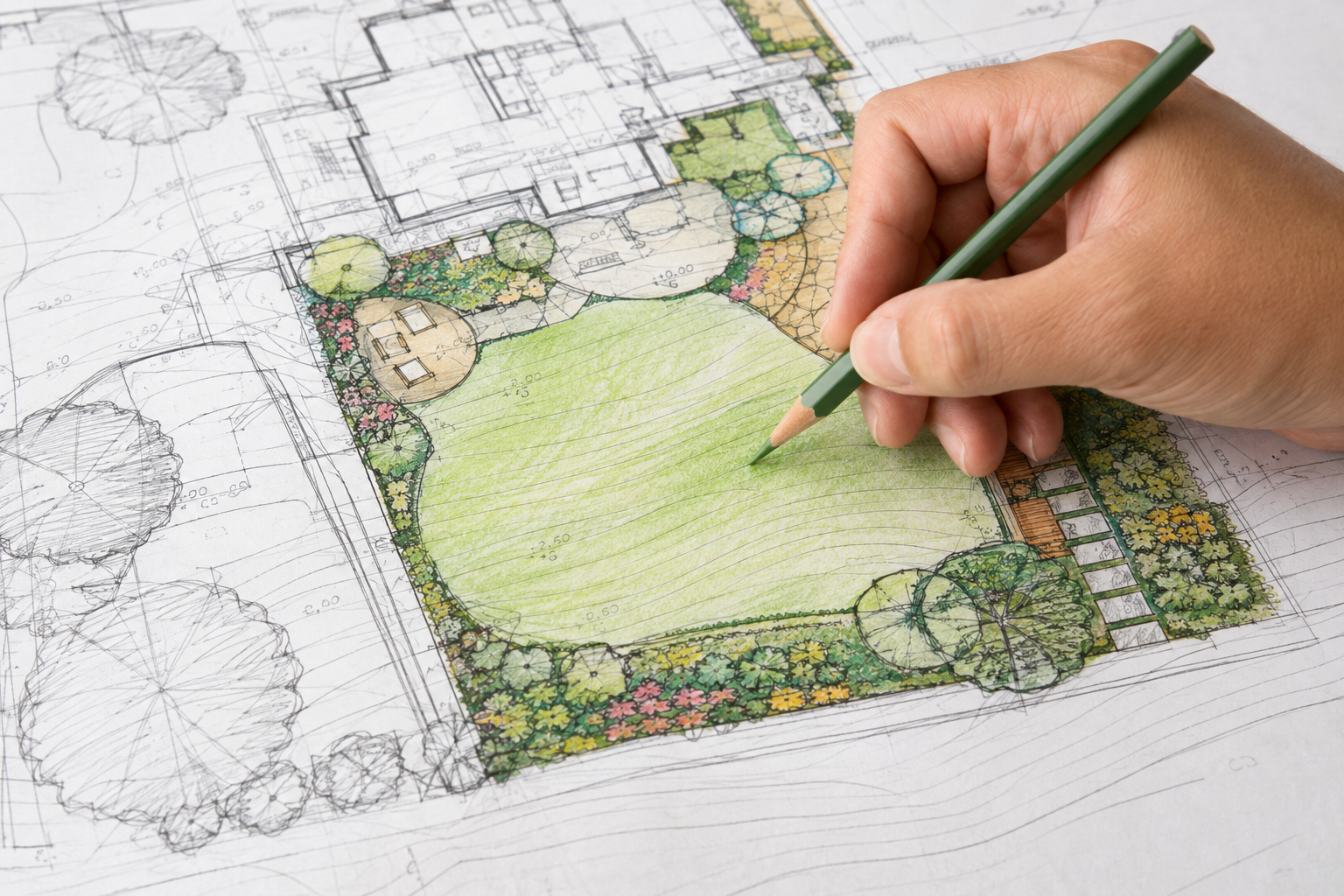
Well-designed Sydney backyard with deck entertaining area, native garden bed and shade tree

What You’ll Learn About Garden Design

  • How to zone a garden for entertaining, relaxing, dining, play and planting
  • Which plants and design choices suit Sydney’s climate and reduce ongoing maintenance
  • Practical tips on shade, privacy, water management, paths and lighting


What makes a garden a garden? Is it just a space outside with some grass, some flowers, a few trees and shrubs? Maybe a BBQ and a stretch of paving or decking? Well, it’s all those things and more and the great thing is it can be almost anything you can dream about. The key is to design a garden around your lifestyle and what it is that you want out of it, using whatever outdoor space you have.

Start With Balance: Beauty, Practicality and Climate

A successful garden design should balance beauty, practicality and a choice of plantings that do well in your unique local climate. Whether the space is a compact courtyard, suburban backyard or a large coastal garden, a thoughtful layout can make the garden feel more comfortable and easier to maintain.

Zoning Your Garden for the Way You Live

A good place to start is to divide the garden into clear areas for entertaining, relaxing, dining, play and planting. A paved or decked entertaining area close to the house creates a natural connection between indoor and outdoor living, while planting zones can often soften boundaries, provide privacy and mitigate any noise. Choose your plants for their ability to cope with local conditions. Native species such as lilly pilly, westringia and bird-attracting grevilleas or callistemon can provide colour, structure and habitat while generally requiring less water and care once they’ve become established.

Shade and Privacy

Shade and privacy should also be considered early in the layout of your garden. Trees, pergolas, screens and layered planting can protect entertaining areas from harsh afternoon sun while creating a more secluded and relaxing atmosphere. Deciduous trees are excellent choices as they can provide summer shade while allowing the winter sunlight into the garden.

Water-Wise Design

Another essential is water management. Incorporate efficient irrigation, mulch, rainwater collection and well-drained planting areas. Gardens can experience both dry conditions and intense rainfall throughout the year, so directing water away from buildings and making sensible use of the rainwater run-off can be an important step in any waterwise garden.

Paths, Features and Flow

A well-designed garden should also make sense. Garden paths should connect the house with your outdoor ‘rooms’ such as a barbecue, pool or other entertaining area. Garden features should try and be incorporated into the space naturally without making anywhere feel too crowded. Curved paths can sometimes soften larger gardens, while simple straight lines often work better in contemporary courtyards and smaller spaces.

Lighting and Storage

Finally, include some easily controlled lighting to make a real feature of your garden at night. Outdoor lighting also improves safety when it’s dark and allows the garden to be enjoyed at all hours. And don’t forget about storage. Often overlooked, some discreet storage areas can keep things like tools, bins and other equipment out of sight.

Ultimately, the best garden layouts feature all of the above, but be guided by your lifestyle and what it is you want out of your outdoor spaces. By combining functional zones with suitable plantings and thoughtful detailing, a garden can become a comfortable extension of the home rather than simply… outside.

Related Reading

FAQs About Garden Design

Where should I start when designing my garden?

Start by dividing your space into zones — entertaining, relaxing, dining, play and planting — based on how you actually use your outdoor space, then choose plants and materials that suit your local climate and maintenance capacity.

What native plants work well in Sydney gardens?

Species like lilly pilly, westringia, grevillea and callistemon are popular choices for Sydney gardens — they’re generally low-maintenance once established and support local birds and pollinators.

Do I need council approval to remove or prune a tree as part of a garden redesign?

Many Sydney councils require approval before removing or significantly pruning a tree, particularly for larger or protected species. It’s worth checking your local council’s requirements, or arranging a tree removal consultation and compliance certificate, before redesign work begins.

How much shade does an entertaining area need?

It depends on orientation, but afternoon shade is usually the priority for Sydney’s western sun. Deciduous trees, pergolas or shade sails over key entertaining zones are a practical, cost-effective solution.

About the Author

Julian Parry — Julian Parry has led Arbor Pride for more than 20 years, and he still gets a kick out of watching a well-cared-for tree thrive. He’s a qualified arborist and horticulturalist holding Australia’s highest arborist rating — AQF Level 5 Consulting Arborist — and is a member of Arboriculture Australia, the Tree Contractors Association of Australia and the International Society of Arboriculture. Julian’s philosophy has always been preservation before removal, and he leads a fully insured team, delivering everything from tree care and removal to arborist reports like tree risk assessments and tree protection plans for councils, schools and developers across Sydney. That approach has earned Arbor Pride 300+ five-star reviews and long-standing partnerships with councils and businesses across the whole of Sydney.

We’re here to help

Need advice from expert tree specialists?

Book a tree inspection and secure your property’s safety and health.